
Businesses across Ireland often need extra space at short notice. A construction firm might need a site office space. A school might need an extra classroom while a new wing is being built. A hospital might need more clinical space during a refit, or an event organiser might need cabins to sign people in at a weekend festival.
In every case, the question is the same.
Should you hire a portable cabin or buy one?
Both options solve the same problem. They give you fast, useful space without the time and cost of normal building work. But the right choice depends on how long you need the space, how your budget works, and how flexible your plans need to be. In this guide we explain the practical differences between hiring and buying a portable cabin and what each one costs.
What is Portable Cabin Hire?
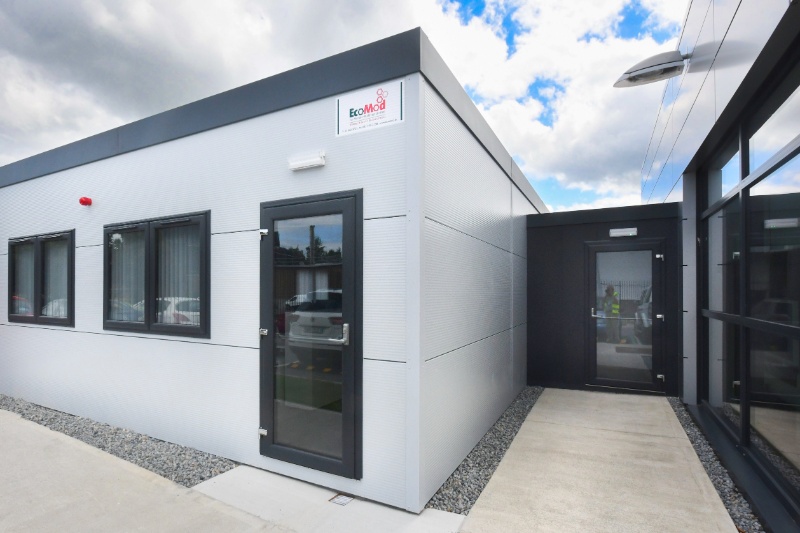
A portable cabin is a prefabricated, steel-framed unit built off-site and delivered ready, or nearly ready, for use. Common types include site offices, welfare units, canteens, storage containers, toilet blocks and temporary classrooms.
Portable Cabin Hire vs Buying
On the surface, hiring and buying look similar. Both put a working cabin on your site quickly. The real differences come down to cost structure, flexibility, and long-term responsibility. The table below compares the two options across the factors that matter most to Irish businesses.
| Factor | Hiring | Buying |
| Upfront cost | Low, pay-as-you-go rental | High, full purchase price paid upfront |
| Maintenance | Included, provider’s responsibility | Owner’s responsibility and cost |
| Flexibility | High, scale up, down or return the unit | Low, resale needed to change setup |
| Delivery time | Often faster than buying for standard stock, confirm exact timing with your provider | Can be longer for bespoke specifications |
| Best use cases | Short to medium-term projects, seasonal needs | Long-term or permanent site requirements |
Portable cabin hire vs modular buildings
Portable cabins and modular buildings are easy to confuse. Both are made off-site, but each suits a different size of project.
If your project is too big for a single cabin, compare modular buildings and standard portable office cabins before you decide. Exact dimensions vary from one manufacturer to another, so check the details with your chosen provider.
When Hiring Makes Sense
Hiring is generally the better option when:
- Clear end date: the project has a defined finish, such as a construction contract or event
- Cash flow priority: spreading cost matters more than long-term ownership savings
- Uncertain duration: you are not yet sure how long you will need the space
- Fast turnaround: you need the cabin quickly, and hiring is usually faster than buying
- Maintenance included: you want servicing and upkeep handled for you
- Temporary site: the site itself is leased or short-term, so a permanent structure is not practical
For example, a contractor working on an 18-month build will usually hire a site office and welfare unit for the duration, then hand both back once the project is complete. There is no leftover asset to store or sell, and the cost is spread across the contract rather than paid in one lump sum.
When buying makes sense
Buying tends to make more sense when:
- Long-term use: the cabin will be in use for several years or indefinitely
- Fixed site: you have a permanent location with long-term planning permission in place
- Full control: you want to specify the layout, and branding exactly
- Lower total cost: the total cost of ownership works out lower than years of hire payments
- Future reuse: you plan to reuse or relocate the cabin across multiple future projects
Factors to consider before choosing
Before deciding between hire and buy, consider the following:
- Project duration: how long will you need the space for?
- Budget structure: does your business prefer to spread costs, or make a one-off investment?
- Site permanence: is the site itself temporary, leased, or permanent?
- Specification needs: do you need a standard layout, or something bespoke?
- Future reuse: will you need similar space again on future projects?
- Maintenance capacity: do you have the resources to maintain a cabin long-term?
Industries that get the most from portable cabin hire
Portable cabin hire is used across a wide range of sectors in Ireland, including:
- Construction companies: needing site offices and welfare facilities for the length of a contract
- Schools and colleges: needing temporary classrooms during building work or when pupil numbers go up.
- Healthcare providers: needing additional clinical or admin space during refurbishment or expansion
- Event organisers: needing registration points, ticket offices or storage for a festival.
- Facilities managers: covering short-term space shortfalls during office moves or renovations
- Local authorities and utilities: needing temporary depots or welfare units for field teams
Common mistakes businesses make when hiring or buying
A few recurring mistakes can add unnecessary cost or delay:
- Assuming buying is always cheaper in the long run, without calculating the true multi-year cost of hire.
- Ordering a cabin without confirming planning permission requirements first.
- Underestimating delivery lead times, particularly for bespoke specifications.
- Choosing a unit that is too small for the actual headcount or use case.
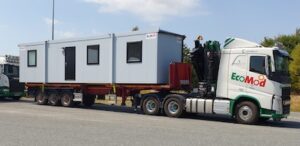
- Overlooking site access, such as whether crane-assisted delivery is needed.
- Not setting aside money to prepare the site, like laying a flat, firm base or hooking up the utilities.
Why businesses choose portable cabin hire
For most short and medium-term projects, hire remains the more practical option. It keeps upfront costs low, removes the burden of maintenance, and gives businesses the flexibility to scale space up or down as the project changes. Delivery is fast, provider support is included, and there is no leftover asset to manage once the work is done.
For businesses juggling multiple sites or projects at once, this flexibility is often the deciding factor. Cabins can move between sites as priorities shift, rather than sitting unused once one project wraps up
Frequently Asked Questions
How long does delivery take?
This depends on what’s in stock and how busy the maker is, so it’s best to check directly with your provider. With EcoMod, for example, a standard cabin is usually set up within a day once it arrives on site. Custom builds or larger multi-bay units take longer to make, so order well ahead of your start date.
Is it cheaper to hire or buy a portable cabin?
For short or medium-term needs, hiring is usually cheaper overall. For long-term or permanent needs, buying can work out better value.
Can I hire a portable cabin for a single event?
Yes. Portable cabin hire works well for short-term events; with hire periods you can match to how long your event runs.
What is the difference between a portable cabin and a modular building?
Portable cabins are typically smaller, standardised units delivered as a single piece, ready for near immediate use. Modular buildings are usually larger, multi-unit structures assembled from several modules on site, often used for bigger or more permanent projects.
Who is responsible for maintaining a hired cabin?
The hire provider is responsible for maintenance and servicing throughout the hire period.
What size cabin do I need?
This depends on headcount and use case. A small site office might suit two to four people, while a welfare unit for a larger crew will need additional space for canteen facilities, toilets and drying rooms.
Can a portable cabin be relocated once installed?
Yes. When you no longer need a hired cabin, the provider can collect it and move it for you. You can move a cabin you’ve bought too, but you’ll have to pay extra for transport and getting the new site ready.
Do hired cabins come with electricity and heating connected?
Most providers can arrange electrical connection, heating and basic services as part of the hire package.